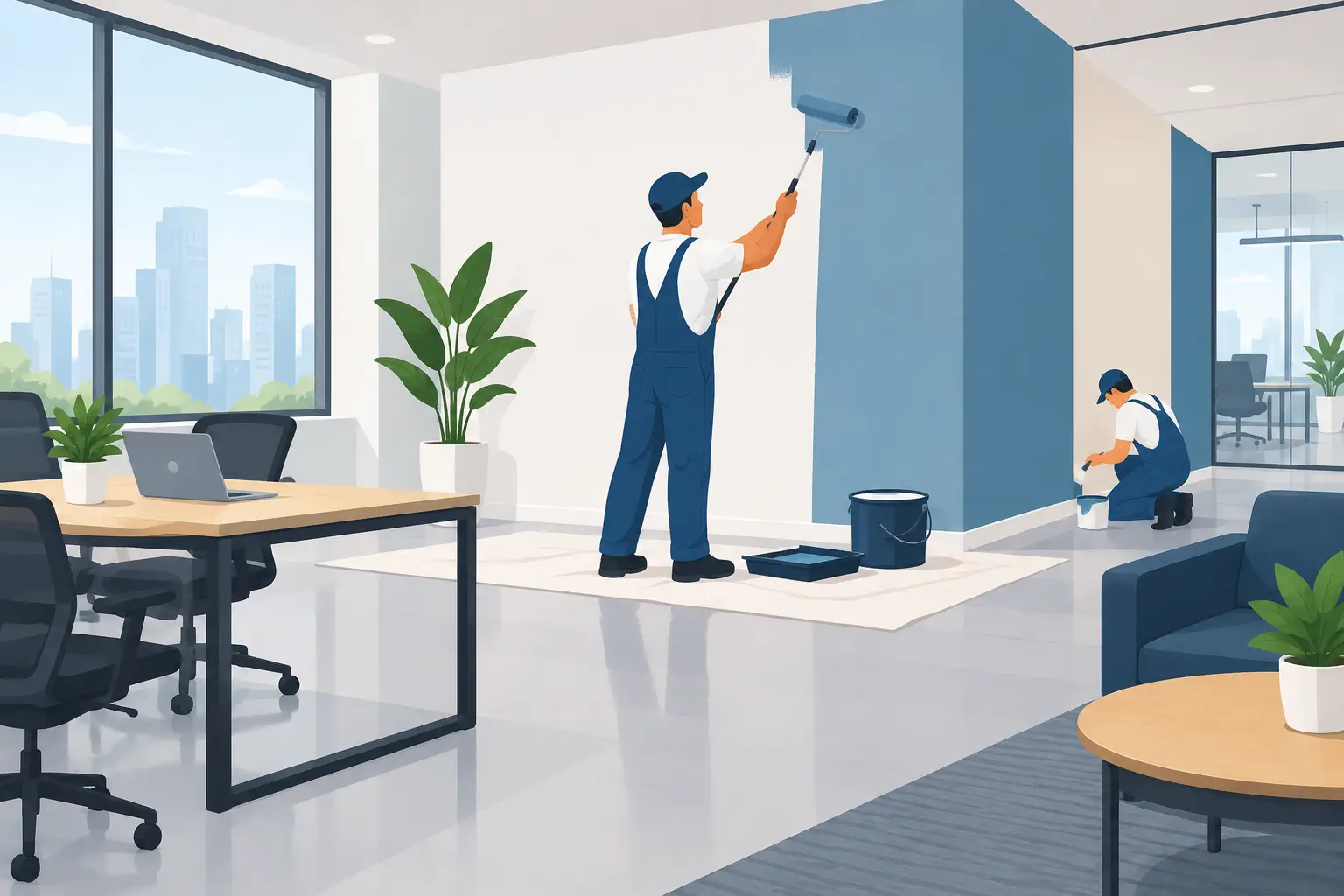
The faded reception wall, scuffed hallway corners, and mismatched touch-ups may seem minor on their own. Together, they tell employees, clients, and visitors that the workplace is being maintained just enough. The right office painting contractor changes that impression with color, preparation, and craftsmanship that make your space feel cared for from the moment someone walks through the door.
A commercial paint project is not simply about covering old walls. It is an opportunity to strengthen your brand, support employee comfort, and bring a sense of pride back to the place where your team spends so much of its week. For offices in West Hartford and surrounding Connecticut communities, the best results come from a contractor who understands both the visual details and the operational demands of an active workplace.
Why Office Painting Has a Bigger Impact Than You Think
Your office environment quietly influences how people feel and behave. A polished, intentional space can help clients feel confident in your business before a meeting begins. It can also give employees a more pleasant backdrop for focused work, collaboration, and daily routines.
Paint is one of the most effective ways to make that improvement without changing the entire layout of your office. Clean neutrals can create a calm, contemporary setting. Brand colors can bring energy to a lobby, conference room, or feature wall. Warmer tones may make client-facing spaces feel more welcoming, while deeper shades can add definition and sophistication where appropriate.
The right choice depends on how the space is used. A medical or professional office may benefit from a restrained, reassuring palette. A creative studio, sales office, or customer showroom may have more room for expressive color. An experienced painter helps you make choices that feel current and purposeful, not trendy for the sake of being trendy.
What an Office Painting Contractor Should Plan Before Painting
The quality of an office paint job is decided long before the final coat goes on. Proper planning protects your property, your timeline, and the finished appearance of the work.
A thoughtful walkthrough should identify wall damage, old patchwork, stains, peeling areas, high-traffic zones, trim condition, and surfaces that need specialized preparation. A contractor should also ask practical questions: Can sections of the office be painted after hours? Are there employees with sensitivities to odors? Which rooms must remain available during the project? Is furniture being moved, or does it need to be carefully protected in place?
These details matter because offices are not empty rooms waiting for paint. They are working environments with computers, filing systems, customer appointments, equipment, and people who need to stay productive. The goal is to create a beautiful result while causing as little disruption as possible.
Preparation Is Where Durability Begins
Fresh paint looks its best on a properly prepared surface. That may mean repairing dents and cracks, sanding rough patches, caulking gaps around trim, cleaning walls, sealing stains, or priming areas with uneven sheen. Skipping these steps can leave flaws visible beneath a new color and may shorten the life of the finish.
High-touch areas deserve especially careful attention. Hallways, break rooms, entrances, conference rooms, and restrooms are more likely to collect scuffs, fingerprints, and everyday wear. The right paint product and sheen can make those areas easier to clean while still looking refined.
There is a trade-off to consider. Higher-sheen paints are generally more washable, but they can reveal imperfections on uneven walls. Flat or matte finishes create a softer look and hide minor surface flaws, yet they may not be ideal for every busy corridor. A professional recommendation should balance the look you want with the maintenance your office actually needs.
How to Choose the Right Office Painting Contractor
Commercial painting requires more than the ability to apply paint neatly. You need a partner who can communicate clearly, coordinate around your schedule, respect your workplace, and stand behind the details.
Start by looking for a contractor who provides a clear, tailored scope of work. Your estimate should explain what surfaces will be painted, what preparation is included, which products are recommended, and how the project will be scheduled. Vague proposals can lead to mismatched expectations later, especially when repairs or access challenges arise.
Experience with occupied commercial spaces is also essential. A dependable crew knows how to protect floors, furnishings, electronics, and adjacent areas. They maintain an orderly worksite and understand that professionalism includes how they interact with your employees and visitors.
Ask how the contractor handles color guidance as well. If you already have a brand palette, the team should help you translate it into a balanced interior scheme. If you are starting from scratch, they should be able to discuss undertones, lighting, finish options, and how colors will connect from one room to the next.
At Nunes Painting, customized service means looking beyond the wall itself. A reception area may need a confident accent color, while worn trim, dated cabinetry, or small carpentry details may also deserve attention to create a more complete transformation.
Build a Painting Schedule Around Your Business
Many business owners delay painting because they picture a disruptive project that puts the office out of commission. In reality, careful scheduling can make a major difference. Depending on the scope, painting may be completed in phases, during evenings, over weekends, or in quieter periods for your business.
Phased work is often a smart solution for larger offices. The crew can complete one department, suite, or floor at a time so employees can continue working elsewhere. Smaller offices may prefer to schedule the project when staff are remote or during a planned closure. There is no single right approach – the best schedule is the one that protects your operations without rushing the work.
Before the project begins, communicate internally about where people should work, what belongings should be cleared, and whether meeting rooms or common spaces will have limited access. A little coordination helps the process feel organized rather than inconvenient.
Color and Finish Choices That Support Your Workplace
The most memorable office interiors are cohesive, not overly decorated. That does not mean every wall needs to be white. It means each color should have a role.
For example, a soft neutral throughout the main workspace can make the office feel open and polished, while a richer feature wall behind a reception desk gives the entry a point of view. Conference rooms can benefit from colors that feel focused and grounded. Break rooms often welcome lighter, warmer shades that create a more relaxed pause in the day.
Natural light changes color dramatically, particularly in Connecticut offices where bright summer afternoons and gray winter mornings can make the same paint appear different. Test samples in the actual room and observe them throughout the day before making a final selection. A color that looks perfect under showroom lighting may feel too cool, too dark, or too bright once it meets your office lighting.
Do not overlook trim, doors, and ceilings. Freshly painted walls beside yellowed trim or marked doors can make the update feel incomplete. When the budget allows, refreshing these supporting surfaces creates a cleaner, more intentional finish throughout the space.
A Better Workplace Starts With Details People Notice
An office does not have to be flashy to feel impressive. Straight cut lines, smooth walls, consistent coverage, protected floors, and a clean final walkthrough speak volumes about the care behind the project. Those details help turn a routine commercial service into a workplace improvement your team and clients can genuinely feel.
When you are ready to refresh your office, begin with the spaces that shape the first impression and the daily experience. A well-planned paint project can give your business a stronger visual identity, your employees a more enjoyable setting, and every visitor a reason to see the quality behind your work.
Leave a Reply