Last Updated: October 26, 2026
Quick Summary
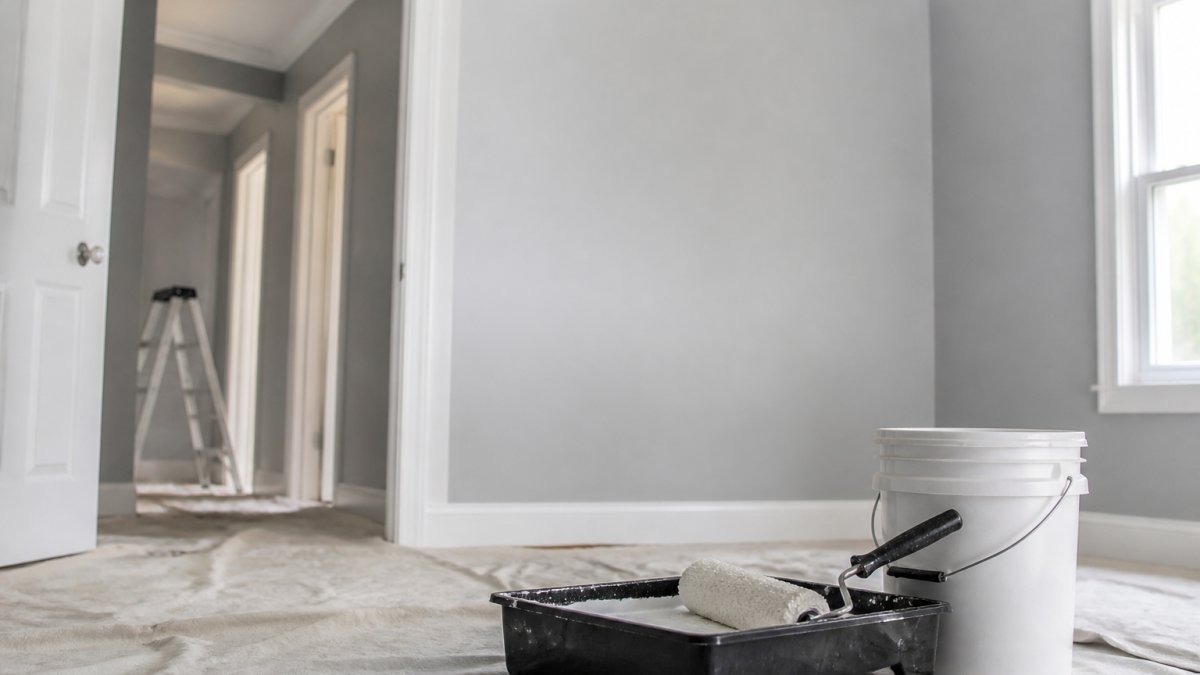
Interior painting can refresh a home’s appearance before a sale, changing the look of walls, ceilings, and trim that buyers notice first. The exact return depends on your home’s condition and your local market, so treat published ROI figures as a starting range and replace them with your own agent’s estimates and your own quote.
- Warm neutrals for resale include soft whites, light grays, and greige tones.
- Paint the entry and main living areas first, even if other rooms stay untouched.
- Painting cabinets costs far less than replacing them and delivers a similar visual lift.
- Skip spare bedrooms, basements, and ceilings in good condition when money is limited.
- Once main living areas, kitchen, and primary bedroom are fresh, more paint mostly protects against objections rather than raising the price.
Table of Contents
- Does Interior Painting Increase Home Value?
- Interior Painting Before Selling a House: What Buyers Notice First
- Best Interior Paint Colors for Resale
- Paint Finishes for Interior Walls: Where Sheen Matters
- Cost to Paint the Interior of a House and How to Calculate Your ROI
- Which Rooms to Prioritize on a Limited Budget
- DIY vs. Professional Painting: A Realistic Decision Guide
- Get a Free Quote from Nunes Painting Before You List
- Frequently Asked Questions
Does Interior Painting Increase Home Value?
Interior painting can refresh a home’s appearance before a sale. At Nunes Painting, we provide interior painting services.
Scuffed walls and dated colors can affect a home’s appearance.
What the Return on Investment Really Looks Like
The exact return depends on your home’s condition and your local market. We’ll show you how to run that math yourself later.
Interior Painting Before Selling a House: What Buyers Notice First
Walls, ceilings, and trim contribute to a room’s appearance.

Visible wall and ceiling conditions can include scuffs, cracks, nail holes, bold colors, streaky finishes, stains, or water damage.
Interior painting before selling a house can change the appearance of walls and other painted surfaces.
Closets, hallways, and trim are also parts of a home to consider.
Best Interior Paint Colors for Resale
Warm neutrals include soft whites, light grays, and greige tones.
Neutral Palettes That Appeal to Prospective Buyers
Color choices can vary by room:
| Room | Color Direction | Why It Works |
|---|---|---|
| Living room | Warm white or light greige | Bright, flexible, photograph-friendly |
| Kitchen | Soft white on cabinets | Makes the space feel clean and open |
| Bedrooms | Light gray or cream | Calm and easy to match |
| Bathrooms | Pale gray or white | Hides moisture marks, feels fresh |
If you want a deeper walkthrough of picking colors room by room, our guide on choosing the perfect color for your home covers the details.
Paint Finishes for Interior Walls: Where Sheen Matters
Paint finishes for interior walls affect the surface’s appearance. The appropriate finish depends on the project.
For a fuller room-by-room finish guide, see our breakdown on how to choose the right paint finish.
Cost to Paint the Interior of a House and How to Calculate Your ROI
For a quote for your specific home, contact Nunes Painting.
A Transparent ROI Calculation That Accounts for Costs
Value added is an estimate, not a guarantee. The sale-price impact figure comes from your agent’s judgment, not a contract. Treat the result as a planning tool, not a promise.
A home’s condition is one consideration when planning a painting project.
Why Reported ROI Figures Vary So Much
You will see wildly different return numbers quoted for interior painting. The variation comes from three sources:
- Evidence quality: some figures come from industry surveys of agents, some from measured sale outcomes, and some from contractor marketing. Survey findings reflect perception, not transactions.
- Home condition: a house with damaged walls gains more from paint than a house already in good shape.
- Local market: in a slow market, presentation matters more and the payoff is larger. In a hot market with multiple offers, buyers may overlook cosmetic flaws, and the payoff shrinks.
Use published ROI figures as a starting range, then replace them with your own agent’s estimates and your own quote. That is the only calculation that reflects your home.
Which Rooms to Prioritize on a Limited Budget
If money is tight, consider which rooms you want to include in your project.
A Practical Order of Operations
- Entry and main living areas: first impression, highest traffic, most photographed. Paint these first even if it means leaving other rooms untouched.
- Kitchen walls and cabinets: cabinets carry huge buyer weight. Painting cabinets costs far less than replacing them and delivers a similar visual lift.
- Primary bedroom: buyers picture themselves here, and a calm neutral finish helps.
- Bathrooms: small spaces, quick wins, and fresh paint hides moisture marks.
- Hallways and trim: cheap to refresh, easy to overlook, and buyers notice scuffed trim on the way through.
What to Skip When Time or Money Is Limited
- Spare bedrooms and basements: buyers care less, and your money works harder elsewhere.
- Ceilings in good condition: unless there are stains or cracks, leave them. Ceiling work is slow and expensive.
- Closets: buyers open them, but a quick wipe-down often beats a repaint.
- Exterior: out of scope for an interior budget, and exterior paint has its own cost structure.
Budget Math: How Far Does Your Money Go?
A limited budget usually means one of two constraints: a dollar cap or a time cap before listing. Handle them differently.
The Cabinet Alternative
Nunes Painting offers cabinet painting. Contact the business for a quote.
When to Stop Painting
There is a point where more paint stops adding value. If the main living areas, kitchen, and primary bedroom are fresh and neutral, additional rooms mostly protect against objections rather than raise the price. At that point, put the remaining budget toward prep and finish quality in the rooms you already chose, because a flawless finish in high-visibility spaces beats a rushed job everywhere.
DIY vs. Professional Painting: A Realistic Decision Guide
DIY painting is one option to consider.
If you are weighing the two paths, our guide on professional painting vs. DIY painting lays out the trade-offs in detail.
Get a Free Quote from Nunes Painting Before You List
Fresh interior paint can change a home’s appearance without undertaking a major remodel.
Nunes Painting offers customized service and expertise in interior, exterior, and cabinet painting.
As one customer put it: “Nunes Painting was a joy to work with. They are responsive, reliable, and do great work.”
Ready to discuss your project? Request an estimate.
Frequently Asked Questions
Does painting the inside of a house increase value?
Fresh interior painting can change the appearance of a home before a sale. The effect on a sale depends on circumstances, so do not treat a percentage figure as a guarantee.
Which interior paint colors make a home more appealing to buyers?
Warm whites, soft grays, greige, and light taupe are color options to consider. Choose colors that suit your preferences and space.
Should I paint my home myself or hire a professional before selling?
DIY painting and hiring a professional are options to consider when planning an interior painting project. Nunes Painting offers interior painting services; contact the business for a free quote.
What paint finish is best for interior walls?
The appropriate paint finish depends on the project. Contact Nunes Painting to discuss your interior painting needs.
Your listing date is set, and the walls are the one thing you can still control. Get started with Nunes Painting and walk into your showings with rooms that sell themselves.

Leave a Reply